

A Complete Guide to Digital Dosing Pump Systems for Chemical Dosing
Accurate and reliable chemical dosing is a core requirement in many industrial processes. From water and wastewater treatment to chemical manufacturing, energy production, and material processing, controlled chemical injection ensures process stability, product quality, regulatory compliance, and operational safety. Digital dosing pump systems represent the latest evolution in chemical dosing technology, offering high precision, advanced control, real-time diagnostics, and seamless integration into automated systems.
This guide provides a comprehensive overview of digital dosing pump systems, how they work, how to select the right system for your application, and how they compare to other dosing technologies. It also discusses key features, common challenges, and industry best practices.
What Is a Digital Dosing Pump System?
A digital dosing pump system is an electronically controlled positive displacement pump designed to deliver precise quantities of chemical fluids under variable process conditions. Unlike traditional mechanical or electro-magnetic dosing pumps, digital systems leverage advanced algorithms, microprocessor controls, and high-resolution actuators (such as stepper motors or servo drives) to optimize output, improve accuracy, and support automation.
At the heart of a digital dosing pump system are:
Digital control module – Enables programmable dosing profiles, automation, and feedback integration.
High-resolution actuation – Drives the diaphragm or piston with fine stroke control for accurate volume delivery.
Sensors and feedback loops – Monitor pressure, flow, diaphragm condition, and anomalies to ensure stability.
Communication interfaces – Allow integration with PLC/SCADA systems, remote control, and real-time monitoring.
Digital dosing pump systems are suitable for a wide range of industrial and municipal applications where stability, precision, and safety are priorities.
How Do Digital Dosing Pump Systems Work?
Digital dosing pumps use electronically controlled motion to regulate the volume of fluid delivered per cycle. Typical systems may use stepper motors, servo motors, or solenoids to move a diaphragm or piston. A control unit governs motion based on programmed settings or external process signals.
Unlike traditional mechanically cammed systems, digital systems adjust stroke length and frequency dynamically, responding to real-time feedback and external setpoints. This enables:
Pulse control – Fine control of displacement with high-frequency pulses.
Variable dosing – Adjust flow rates automatically in response to process changes.
Condition monitoring – Continuous evaluation of system health, pressure changes, and possible faults.
Communication – Interfaces with industrial control systems for supervisory control or automated feedback loops.
Digital systems also include built-in safety mechanisms to address common risks such as overpressure, air entrainment, diaphragm fatigue, or pipeline blockages.
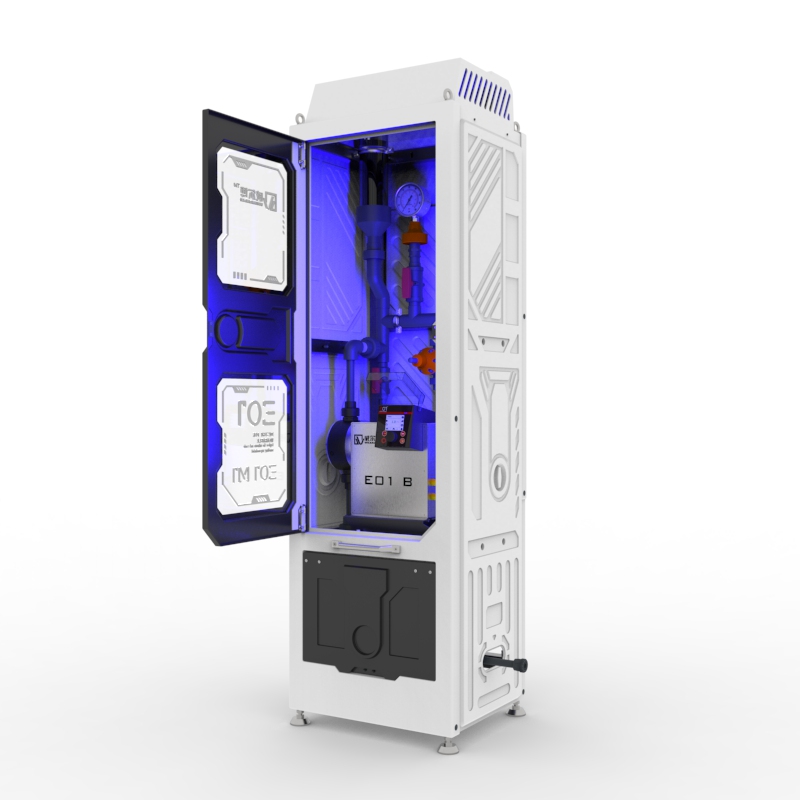
Key Components of a Digital Dosing Pump System
A typical digital dosing pump system consists of several main components:
1. Pump Head and Diaphragm: The pump head houses the wetted parts and diaphragm. Materials must be compatible with the chemicals being dosed. Diaphragms are engineered for long life, chemical resistance, and consistent displacement.
2. Actuation System: Stepper motors or servo drives precisely control stroke length and frequency. High pulse rates enable very fine flow resolution.
3. Control Module: A microprocessor-based controller interprets setpoints, feedback signals, and user inputs to regulate dosing behavior. Advanced models support automation and AI-based control.
4. Sensors: Pressure sensors, flow meters, and diaphragm status monitors provide real-time data, enabling condition monitoring and automated fault responses.
5. User Interface: HMIs, touchscreens, and wireless interfaces (e.g., Wi-Fi, 4G) allow configuration, monitoring, and remote access.
6. Communication Interfaces: Support for 4-20 mA, Modbus, Ethernet/IP, or other industrial protocols enables integration into larger control systems.
Advantages of Digital Dosing Pump Systems
Digital dosing pumps offer several significant advantages over conventional dosing technologies:
High Accuracy and Precision: Digital control and fine pulse resolution enable dosing accuracy within tight tolerances, even at low flow rates or variable pressures.
Automated, Adaptive Operation: Cameras, AI control loops, and feedback mechanisms allow systems to adapt to changing process conditions without manual intervention.
Remote Monitoring and Control: Wireless connectivity and digital interfaces support real-time data access, reporting, and remote diagnostics.
Advanced Safety and Diagnostics: Integrated sensors detect abnormal conditions (e.g., pipeline blockage, air bubbles), and systems can trigger alarms or corrective actions.
Better Integration with Automation:Digital systems integrate seamlessly with PLCs, SCADA, and DCS platforms, supporting centralized process control.
Improved Reliability and Uptime: Condition monitoring and predictive alerts reduce unplanned downtime and enable proactive maintenance.
Common Applications of Digital Dosing Pump Systems
Digital dosing systems are used across industries where precise chemical delivery enhances process performance:
Water and Wastewater Treatment
Used to dose disinfectants, coagulants, flocculants, pH adjusters, and anti-scalants. Accuracy ensures regulatory compliance and minimizes chemical waste.
Chemical Processing
Controlled injection of reactive chemicals, catalysts, or stabilizers in batch or continuous processes.
Energy & Battery Production
Precise dosing of additives in copper foil production and electrolyte formulations.
Industrial Cooling Systems
Dosage of inhibitors, biocides, and scale control agents to protect cooling towers and heat exchangers.
Bio-energy and Fermentation
Metering enzymes, nutrients, or pH control agents to optimize biological reactions.
Food & Beverage and Pharmaceuticals
Low-volume, high-precision dosing in recipes, sanitization systems, and process additives.
Selection Criteria for Digital Dosing Pump Systems
Selecting the right digital dosing pump involves evaluating multiple interrelated criteria:
1. Flow Rate and Pressure Requirements
Define the range of flow rates and discharge pressure your process demands. Ensure the chosen pump can deliver adequate flow across its full operating range without sacrificing accuracy.
2. Chemical Compatibility
Verify that all wetted materials—diaphragm, valves, head, and seals—are compatible with the chemicals to be dosed. Consider factors like concentration, temperature, and long-term exposure.
3. Accuracy and Turndown Ratio
Look for systems with high turndown ratios and accuracy specifications suitable for the application. Higher turndown ratios provide flexibility across a wider operational range.
4. Control Capabilities
Identify whether you need basic timer-based control or advanced process integration with external sensors and automation systems.
5. Connectivity and Monitoring
Remote access and diagnostics capabilities provide operational transparency and reduce manual oversight.
6. Reliability and Serviceability
Evaluate reliability features such as self-diagnostics, wear part monitoring, and ease of maintenance.
7. Safety Requirements
Consider safety features such as leak detection, automatic shutdown, overpressure protection, and compliance with industry safety standards.
Implementation Best Practices
To maximize the performance of digital dosing pump systems:
Piping and Injection Point Design: Use appropriate back-pressure valves or pulsation dampeners to stabilize flow.
Routine Calibration: Regularly verify dosing accuracy with calibration equipment.
Condition Monitoring: Leverage built-in diagnostics to anticipate wear and schedule maintenance.
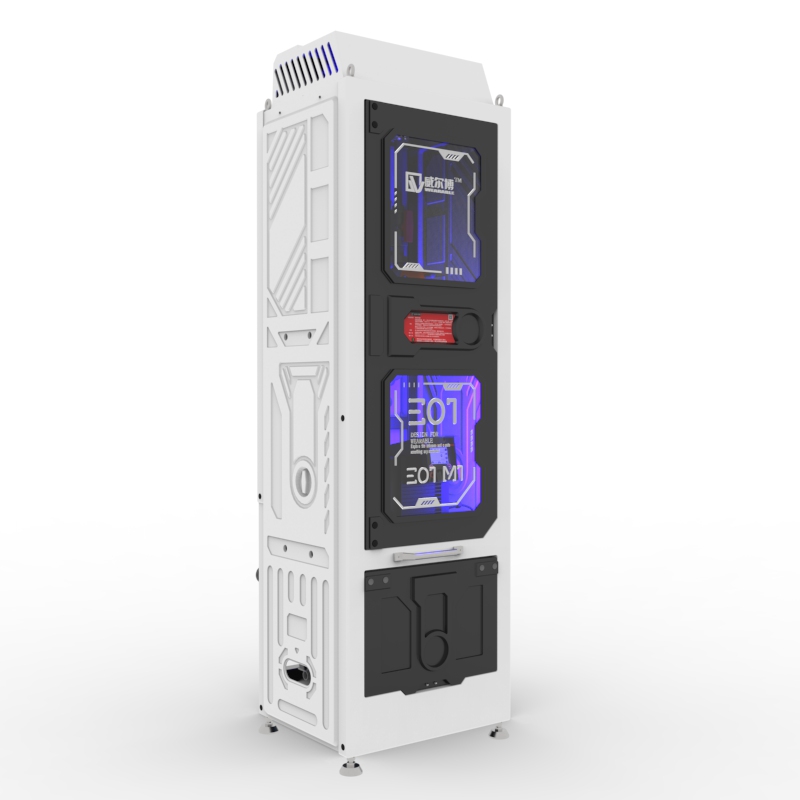
Environmental Considerations: Select enclosures and ratings suited for the ambient environment (indoor, outdoor, corrosive atmosphere).
Comparison with Traditional Dosing Technologies
| Feature | Digital Dosing Pump | Mechanical Dosing Pump | Peristaltic Pump |
| Precision | Very high | Moderate | Good |
| Automation | Advanced | Limited | Moderate |
| Integration | Excellent | Moderate | Limited |
| Maintenance | Predictive | Reactive | Simple |
| Feedback Monitoring | Standard | Rare | Optional |
| Chemical Compatibility | Wide | Limited by materials | Very wide |
Digital dosing systems distinguish themselves with their combination of precision, automation, and proactive diagnostics.
In modern industrial operations, digital dosing pump systems provide unmatched flexibility, control, and accuracy for chemical metering tasks. Whether your process demands high precision at low flow rates, automated proportional dosing, or remote process integration, digital systems offer scalable solutions that improve reliability and reduce operational risk.
Equipped with advanced algorithms, electronic control, real-time diagnostics, and wireless connectivity, today’s digital dosing pump systems transform complex chemical metering tasks into streamlined, reliable, and automated operations—supporting efficiency, safety, and long-term performance.
