

What Data Should a Smart Chemical Dosing System Monitor?
A smart chemical dosing system does more than deliver chemicals at a preset flow rate. It continuously collects and analyzes operating data to maintain dosing accuracy, respond to process changes, and identify potential equipment problems before they cause interruptions.
For industrial water treatment, chemical processing, and other fluid-handling applications, monitoring the right parameters is essential. A well-designed Digital Dosing Pump System can combine pump operating data with pipeline and process information to provide better control over chemical injection.
But which data should operators actually monitor?
1. Chemical Flow Rate and Dosing Volume
Flow rate is one of the most important parameters in a chemical dosing system. It indicates how much chemical is being delivered over a specific period and helps determine whether the actual injection rate matches the required setting.
Monitoring both instantaneous flow rate and cumulative dosing volume provides a clearer picture of system performance. A sudden decrease may indicate a blocked injection line, air in the pump head, or a problem with the chemical supply. Unexpected increases may suggest incorrect settings or unstable control.
For applications requiring precise chemical addition, flow monitoring helps maintain the correct chemical-to-water ratio and avoid unnecessary reagent consumption.
2. Pipeline Pressure and Back Pressure
Suction and discharge pressure directly influence dosing pump operation.
Suction pressure helps identify supply-side problems, such as insufficient liquid availability, excessive pipeline resistance, or air entering through loose connections. Discharge pressure shows the resistance the pump encounters when injecting chemicals into the process line.
Monitoring back pressure is particularly important because significant pressure changes can affect actual pump output. An abnormal pressure increase may indicate a blocked discharge line, closed valve, or injection point restriction.
Pressure data can therefore support both operational control and early fault detection.
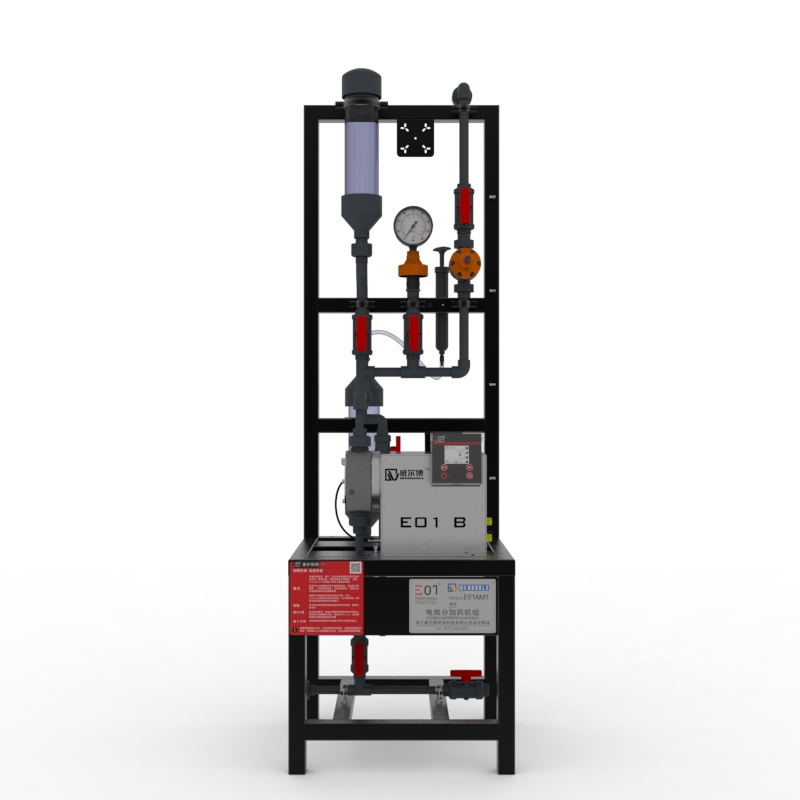
3. Pump Operating Status and Stroke Frequency
A smart dosing system should monitor the pump's operating condition, including start-stop status, stroke frequency, and configured flow settings.
These parameters help operators understand whether the pump is running according to the control program. If the commanded operating frequency changes but the measured flow does not respond as expected, further inspection may be necessary.
For a digital dosing pump system, comparing operating commands with actual performance is useful for identifying calibration deviations, mechanical wear, and dosing inconsistencies.
4. Chemical Tank Level and Supply Conditions
Chemical supply data is another essential part of system monitoring. A low tank level can interrupt dosing or allow air to enter the suction pipeline.
Level sensors can provide real-time information about the remaining chemical volume and trigger alarms when the supply approaches a preset limit.
For continuous industrial processes, monitoring tank levels also helps coordinate chemical replenishment and prevent unexpected shutdowns. Where multiple chemicals are used, each storage tank should be monitored independently to avoid supply confusion.
5. Diaphragm Condition, Leakage, and Equipment Alarms
The condition of critical pump components affects long-term dosing reliability. Diaphragm damage, valve wear, and seal deterioration may cause reduced output, leakage, or abnormal pressure changes.
Where suitable sensors are available, monitoring diaphragm condition can help identify potential damage before it leads to a major failure. Leakage detection is also important when handling corrosive, hazardous, or expensive chemicals.
Alarm records should include the type of fault, its occurrence time, and relevant operating conditions. This information makes troubleshooting more systematic and helps maintenance personnel identify recurring problems.
6. Process Parameters and Chemical Demand
Pump data alone cannot always determine whether the correct amount of chemical is being added. The system may also need to monitor process parameters such as pH, conductivity, oxidation-reduction potential (ORP), or water flow rate, depending on the application.
For example, a water treatment process may require chemical dosing to respond to changes in incoming water quality. Monitoring pH or ORP provides feedback that can help adjust the dosing rate according to actual process conditions.
Integrating these measurements with a digital dosing pump system allows chemical injection to follow process demand rather than relying entirely on fixed settings.
7. How to Use Monitoring Data More Effectively
Collecting data is only the first step. Its value comes from connecting different measurements and using them to guide operational decisions.
For example, a decrease in flow rate combined with an increase in discharge pressure may indicate a developing blockage. A low tank level accompanied by unstable suction pressure may suggest a chemical supply problem.
A practical monitoring strategy should include:
-
▶ Real-time monitoring: Track critical flow, pressure, level, and pump status during operation.
-
▶ Alarm management: Set appropriate thresholds for abnormal conditions and supply interruptions.
-
▶ Historical data analysis: Review operating trends to identify recurring faults and changes in equipment performance.
-
▶ Control system integration: Connect relevant sensors and pump controls to PLC or SCADA systems where required.
The specific monitoring configuration should depend on the chemical properties, process requirements, pump design, and level of automation.
Building a More Reliable Smart Chemical Dosing System
A smart chemical dosing system should monitor more than pump speed or preset flow settings. Flow rate, pressure, tank level, pump condition, and process parameters all contribute to reliable chemical injection.
By combining these measurements, a Digital Dosing Pump System can provide better operational visibility, support more accurate dosing adjustments, and help detect potential problems earlier.
The most effective monitoring solution is not necessarily the one with the greatest number of sensors. It is the one that collects relevant data, identifies meaningful operating changes, and turns that information into practical control and maintenance decisions.
